I’m writing this piece after spending an hour catching up on the latest out of Ukraine, and some time before that reading a biography on Ulysses S. Grant. That particular cocktail can bring your attention to a staggering truth about war: those who prepare to fight them, rarely want to.
Our 18th President was no stranger to the traumas and tragedies of war. His particular brand of attrition, overlapping with the earliest days of the industrial revolution, made for a special kind of battlefield hellscape. One which would go relatively unrivaled until the trenches of World War I.
Yet despite the fierce reputation he earned while leading troops under fire, Grant seems to have seen himself as a reluctant warrior.
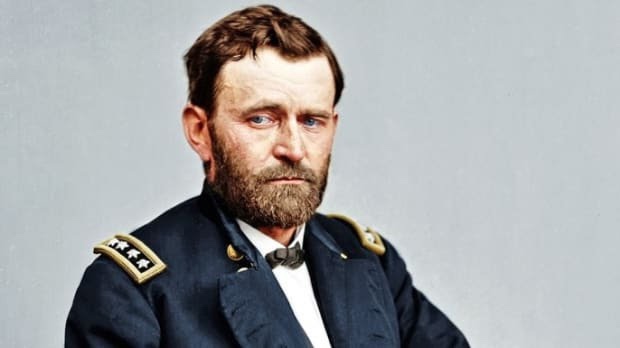
“Though I have been trained as a soldier, and participated in many battles, there never was a time when, in my opinion, some way could not be found to prevent the drawing of the sword.”
Ulysses S. Grant
I think Grant’s sentiment here would fit right in with the latest generation of general officers. War weary professionals, with twenty or more years of combat rotations under their belts would probably tell Grant to pull up a chair and speak among friends. And they’d probably have a few choice comments over how little the politics of war has changed.
After all, you’d be hard pressed to find a fellow American who wants to send their sons and daughters to fight on foreign shores. This is one of our most intriguing cultural traits. We profess isolationist tendencies – all while preparing to send our boys and girls into the thick of it as some of the best trained, most well-equipped and lethal forces in the history of mankind.
Right now, that national cognitive dissonance finds itself centered on Ukraine. The challenge of that dissonance, though, remains the fact that we don’t get to call all of the shots in the global system. There are others. Others who will overrun their neighbors. Others who will threaten our allies. Others who will gather their own citizens into ghettos and murder them in cold blood. Others who will trample on the little guy. Others who will act.
Because others act, we don’t have the luxury to sit on the sidelines.
I’ll take heat for this viewpoint. Libertarians and Progressives alike will decry me as a warmonger. But those detractors ignore the facts of history: when America recedes, others rush to fill the power vacuum. It’s only natural. And those who would stand for isolation and appeasement embrace failed philosophies – philosophies that will end in tragedy for Ukrainian civilians if and when a malevolent Putin penetrates the boundaries of a sovereign nation.
In the quote above, Grant admonishes us to pursue diplomacy. As we should. But Grant also acknowledged reality in his time: sometimes war must be waged as a means to peace, and the defense of our most precious values.
It’s that sense of realism where I think most Americans reside. We understand both the tragedy, and the necessity of action. We wrestle with these conflicting traits. Until the very last possible moment of decision. Then we act, decisively.
Grant’s legacy has been tarnished by some historians. The battlefield savior of the republic, under the stress of the Presidency, suffered the same failing of every President: he was human. He failed. He didn’t live up to the legend. We never do.
But I think he serves us right now as an important reminder of our own internal conflict. We know that both war and inaction hold their costs. We also know that at some point, the action of others will demand an American response. But I remain hopeful just because our nation keeps wrestling with these competing ideas. It’s my sign that we’re on the right side of history.
And as flawed as he was, Grant seems to be the type of American we continue to need. A pragmatist, a realist, and someone seeking something better. And once the decision is made, let’s just make sure we’ve got some Generals with his determination too.
 Part of the Possible